
Last Updated on March 11, 2026 by Luxor Content Team
When you book a chauffeur, you’re not just paying for a comfortable ride. You’re paying for peace of mind — the confidence that the person behind the wheel is trained, calm, and capable of handling whatever the road throws at them.
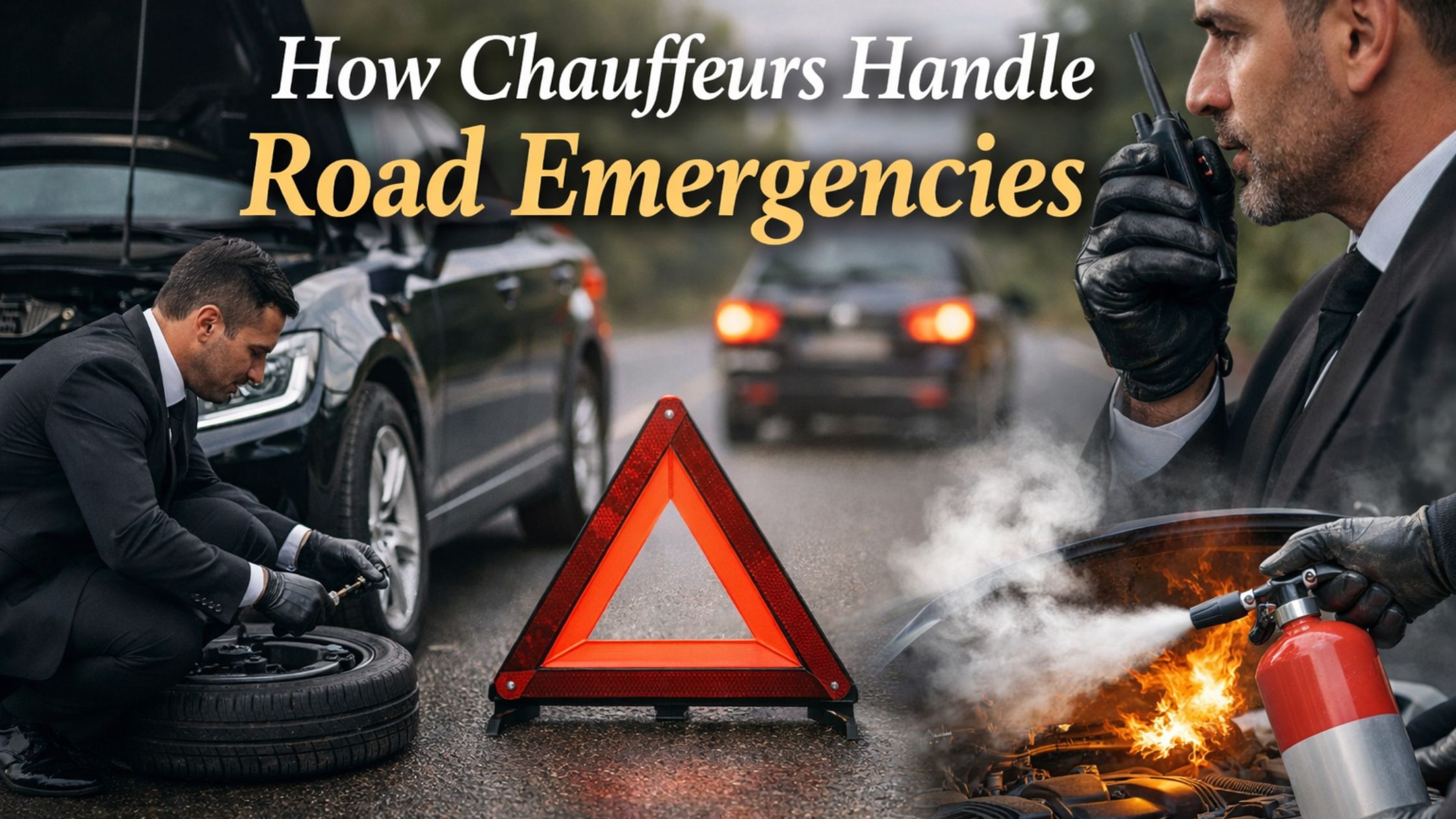
Road emergencies happen. A tyre blows out on the freeway. A sudden storm rolls in. Traffic comes to a dead stop because of an accident two kilometres ahead. The difference between a professional chauffeur and an everyday driver becomes very clear in moments like these.
This article covers how professional chauffeur drivers prepare for and respond to road emergencies. From defensive driving techniques to first aid awareness, passenger communication, and coordination with emergency services — here’s what professional chauffeur training actually looks like in practice.
Why Emergency Preparedness Matters in Chauffeur Services
Most people don’t think about emergencies when they book a luxury chauffeur service. That’s exactly the point. Clients should feel relaxed and confident, not worried. But behind that calm experience is a driver who has thought through every possible scenario before it happens.
The safety standards that professional chauffeur services are held to exist because the stakes are high. Clients are often travelling to important events — airport transfers, corporate meetings, weddings, or private tours. A vehicle breakdown or road emergency isn’t just an inconvenience. It can disrupt a flight, derail a business meeting, or ruin a special occasion.
Professional chauffeur services build their reputation on reliability. That reliability doesn’t come from luck. It comes from rigorous training, well-maintained vehicles, and drivers who know how to stay composed under pressure.
Emergency preparedness is also a legal and ethical responsibility. Chauffeur drivers are professionally licensed and held to a higher standard than regular rideshare or taxi drivers. Their duty of care to passengers extends beyond simply getting from A to B. It includes keeping passengers safe when the unexpected happens.
Types of Road Emergencies Chauffeurs May Face
Road emergencies cover a wide range of situations. Some are sudden and intense. Others develop slowly and require careful navigation. A trained chauffeur is prepared for all of them.
Sudden Accidents and Collisions
Road accidents can happen in a split second. A vehicle merges without checking its blind spot. A pedestrian steps off a kerb unexpectedly. Another driver runs a red light. Professional chauffeurs are trained to anticipate these risks and react quickly — but more importantly, to avoid situations where a reaction is needed in the first place.
Mechanical Failures
Even well-maintained vehicles can experience unexpected mechanical issues. Engine warning lights, sudden power loss, brake irregularities, or steering problems can occur without warning. A trained chauffeur knows how to respond calmly, safely pull over, and manage the situation from there.
Tyre Blowouts
A tyre blowout at highway speed is one of the most dangerous situations a driver can face. Without proper technique, the natural instinct to brake hard or swerve can cause a vehicle to spin or roll. Chauffeurs are specifically trained to handle this correctly.
Extreme Weather Conditions
Melbourne’s weather is unpredictable. Flash flooding, heavy rain, hailstorms, dense fog, and strong crosswinds can all create hazardous driving conditions in a matter of minutes. Professional chauffeurs are trained to adjust their driving style and route planning in response to changing weather.
Traffic Incidents and Road Hazards
Debris on the road, unexpected roadworks, accidents blocking lanes, or sudden traffic jams all require quick thinking and sound route knowledge. Chauffeurs working in Melbourne know the city’s road network well enough to adapt on the fly.
Medical Situations
In rare cases, a passenger may experience a medical emergency during a journey. Trained chauffeurs know how to respond — whether that means calling emergency services immediately, pulling over safely, or assisting with basic first aid while help arrives.
Defensive Driving: The Foundation of Chauffeur Safety
Defensive driving is the cornerstone of professional chauffeur training. It’s a proactive approach to road safety that focuses on anticipating hazards rather than just reacting to them.
Reading the Road Ahead
Defensive driving starts with observation. Professional chauffeurs are trained to scan far ahead — not just the car immediately in front, but the full picture of what’s happening on the road. This includes monitoring merge lanes, watching for brake lights ahead, checking mirrors regularly, and identifying potential hazards before they become immediate threats.
Maintaining Safe Following Distances
Tailgating is one of the most common causes of rear-end collisions. Chauffeurs maintain a generous following distance, especially at higher speeds or in heavy rain. This gives them time to react if the vehicle ahead brakes suddenly.
Speed Management
Professional chauffeurs don’t just follow the speed limit — they adjust their speed to road conditions. In wet weather, reduced visibility, or heavy traffic, they slow down even when the speed limit technically permits faster travel.
Smooth and Controlled Inputs
Defensive driving also means smooth vehicle control. Chauffeurs avoid harsh braking, sharp steering inputs, and aggressive acceleration. This keeps the vehicle stable and passengers comfortable, and it reduces the risk of loss of control in an emergency.
How Chauffeurs Handle Sudden Accidents on the Road
If a chauffeur is involved in or witnesses a sudden accident, the response follows a clear sequence.
First, the chauffeur ensures the immediate safety of the vehicle and passengers. This may mean pulling over to a safe position away from oncoming traffic, turning on hazard lights, and assessing the situation before taking further action.
Second, they check on passengers. Are they injured? Do they need immediate medical attention? Passenger welfare is the priority above everything else.
Third, the chauffeur contacts emergency services if required. They provide clear, accurate information about location, the number of people involved, and the nature of the incident.
If another vehicle is involved and it’s safe to do so, the chauffeur documents the scene — taking note of vehicle registration, damage, and any other relevant details. This supports insurance and legal processes later.
Throughout all of this, the chauffeur stays calm. A composed driver reassures passengers, manages the situation methodically, and prevents panic from making things worse.
You can read more about how chauffeur services approach passenger safety protocols in greater detail.
Responding to Mechanical Vehicle Problems
A well-maintained luxury vehicle shouldn’t break down often. But mechanical issues can still occur, and the way a chauffeur responds makes all the difference.
Recognising Warning Signs Early
Professional chauffeurs are trained to notice warning signs before a mechanical problem becomes critical. An unusual sound, a vibration in the steering wheel, a warning light on the dashboard — these are all signals that something needs attention. Experienced chauffeurs don’t ignore them.
Safely Pulling Over
If a vehicle needs to stop due to a mechanical issue, the process matters. The chauffeur signals early, checks mirrors, selects a safe location away from traffic, and brings the vehicle to a controlled stop. Hazard lights go on immediately.
Communicating With Passengers
Once the vehicle is stopped safely, the chauffeur informs passengers of what’s happened and what steps are being taken. This might mean arranging an alternative vehicle as quickly as possible, contacting a supervisor, or calling roadside assistance.
Coordinating a Replacement
Reputable chauffeur companies maintain backup vehicles and have systems in place to arrange fast replacements when a vehicle is out of action. The goal is to minimise disruption to the client’s schedule — whether they’re heading to the airport or a corporate event.
Handling Tyre Blowouts Safely
A tyre blowout is a sudden, dramatic loss of tyre pressure, usually at speed. It can feel like the car is being pulled hard to one side, and the instinct for many drivers is to brake immediately. That’s the wrong move.
Professional chauffeurs are trained to do the counterintuitive thing: stay off the brakes initially, keep a firm grip on the steering wheel, maintain the vehicle’s trajectory as much as possible, and allow engine braking to gradually slow the car. Only once the vehicle is under control and speed has reduced should the driver gently apply the brakes and steer to a safe stop.
This technique requires practice and muscle memory. It’s one reason why chauffeur driver training goes well beyond a standard driver’s licence.
After a blowout, the chauffeur follows the same safety protocol as any roadside stop — hazard lights on, safe distance from traffic, passenger check, and coordination with roadside assistance.
Managing Extreme Weather Conditions
Melbourne’s weather is genuinely unpredictable. Sunny mornings can turn into sudden afternoon storms. Roads can flood quickly. Hail can reduce visibility to near zero.
Professional chauffeurs adjust their approach in real time when weather changes. They reduce speed, increase following distances, and switch to lower beams in fog. They avoid flooded roads entirely, even when it means a longer route. The comfort of arriving safely always outweighs the convenience of arriving faster.
Chauffeurs also monitor weather forecasts before and during long journeys. For airport transfers or cross-city trips, they factor in weather-related delays when planning departure times, giving clients the buffer they need to stay on schedule.
In extreme cases — where conditions are genuinely dangerous — a professional chauffeur will make the call to stop and wait it out rather than push through. Safety is never compromised for convenience.
Passenger Protection During Emergencies
The protection of passengers is the primary responsibility of a professional chauffeur at all times. This extends to how the vehicle is driven, how emergencies are managed, and how passengers are looked after if something goes wrong.
Vehicle Safety Standards
Luxury vehicles used in professional Melbourne chauffeur services are maintained to strict standards. Regular mechanical checks, tyre inspections, brake testing, and fluid checks are part of routine fleet management. The vehicle itself is a safety tool.
Seatbelt Reminders
Chauffeurs are trained to gently remind passengers to wear seatbelts at the start of every journey. This is standard practice, not just courtesy.
Physical Assistance During Emergencies
If an emergency requires passengers to exit the vehicle — for example, after an accident in a low-risk location — the chauffeur assists them safely. This includes helping elderly passengers, those with mobility challenges, or clients who are shaken and disoriented.
Communication With Passengers During Unexpected Situations
How a chauffeur communicates during a stressful situation matters enormously. The wrong tone can increase panic. The right tone can keep everyone calm and focused.
Professional chauffeurs are trained to communicate clearly and confidently. When something unexpected happens, they acknowledge it directly: “We have a tyre issue. I’m pulling over safely now.” They don’t minimise concerns or give false reassurances, but they do convey control and competence.
Throughout an emergency, the chauffeur updates passengers on what’s happening and what comes next. If a delay is expected, they communicate a realistic timeframe. If a replacement vehicle is being arranged, they explain the process.
This approach respects the passenger’s intelligence and maintains trust — which is the foundation of any luxury service relationship.
Emergency Route Planning and Traffic Management
One of the less obvious but genuinely important skills of a professional chauffeur is route intelligence. Knowing Melbourne’s roads means knowing more than just how to get from A to B. It means knowing the alternatives when the main route isn’t viable.
Before every journey, a prepared chauffeur considers the most likely obstacles — peak hour traffic, known roadworks, event days that affect parking and road access — and has backup routes ready. During the journey, they monitor real-time traffic updates and adjust accordingly.
This is especially critical for time-sensitive trips like airport transfers. Missing a flight because of avoidable traffic is simply not acceptable. Professional chauffeurs build contingency time into their planning and use their knowledge of Melbourne’s road network to stay ahead of problems.
First Aid Awareness and Passenger Care
Professional chauffeur training often includes basic first aid. This is particularly relevant for medical emergencies involving passengers — whether it’s a passenger with a pre-existing health condition, someone who feels faint, or a more serious incident.
Chauffeurs who hold first aid certificates can provide basic assistance while waiting for emergency services. This might include keeping a passenger calm and comfortable, assisting someone who is lightheaded, or responding to a more urgent medical situation with CPR or other first response techniques.
Even without a formal first aid certificate, trained chauffeurs know the right steps: call emergency services immediately, don’t move the passenger if they have a potential spinal injury, keep bystanders calm, and provide responders with clear information about the patient and the situation.
Coordination With Roadside Assistance and Emergency Services
Professional chauffeur services maintain relationships with roadside assistance providers. When a vehicle breakdown occurs, the response is fast and organised — not a panicked call to an unknown number.
Chauffeurs carry all necessary contact information and are trained to communicate clearly with emergency services when required. They know how to describe their location precisely (important on motorways or in areas without clear street addresses), describe the nature of the incident accurately, and follow dispatcher instructions.
After any significant incident, a professional chauffeur documents the event for their company’s records. This supports insurance processes, improves training, and maintains accountability.
The Difference Between a Trained Chauffeur and a Regular Driver
This is worth saying plainly: not all drivers are the same, and the gap becomes most obvious in emergencies.
A regular driver might react emotionally — panic braking during a blowout, swerving suddenly around an obstacle, or freezing up when a passenger needs help. These reactions are understandable. But they’re dangerous.
A trained professional chauffeur has practised for these moments. Their responses are measured, not reactive. They have a mental framework for what to do, in what order, and why. They can manage their own stress response well enough to keep their passengers safe and informed.
This is one of the core reasons why licensed professional chauffeurs matter for passenger safety — not just for comfort, but for genuine protection in high-pressure situations.
Why Professional Chauffeur Training Focuses Heavily on Safety
Luxury chauffeur services exist in a competitive market. The vehicles, the presentation, and the service all matter. But underneath all of that, safety is what clients are really trusting when they book.
Professional chauffeur training programs go well beyond a standard driving licence. They cover defensive driving techniques, hazard perception, emergency response protocols, vehicle management, passenger care, and professional conduct. Some programs also include first aid certification and security awareness.
The investment in training is significant. But it reflects the genuine responsibility that comes with transporting clients — whether they’re executives, families on a special occasion, or travellers catching an early-morning flight.
Chauffeur companies that take safety seriously vet their drivers carefully, provide ongoing training, and maintain vehicles to the highest standards. If you want to understand exactly how chauffeur companies screen and train their drivers, the process goes well beyond a background check. This isn’t just about liability. It’s about providing a service that people can genuinely rely on.
About Luxor Chauffeurs Melbourne
Luxor Chauffeurs is a professional chauffeur service based in Melbourne. Their drivers are trained to handle the demands of the road — including emergencies — while maintaining the comfort, discretion, and reliability that clients expect from a premium service.
The fleet includes executive sedans, luxury SUVs, and Mercedes Sprinters, all maintained to high mechanical and presentation standards. Drivers are selected for their professionalism, local road knowledge, and commitment to passenger safety.
Luxor Chauffeurs provides services across a range of travel needs:
Airport Transfers — Punctual, stress-free pickups and drop-offs across Melbourne’s airports, with flight monitoring and flexible scheduling built in.
Corporate Travel — Reliable transport for executives and business groups, with discretion and professionalism as standard.
Weddings — Tailored wedding day transport that accounts for timing, presentation, and the importance of every moment.
Private Tours — Guided chauffeur experiences across Melbourne and surrounding regions, planned around the client’s interests and schedule.
Luxury Transport — For any occasion that calls for a higher standard of travel.
Luxor Chauffeurs operates 24 hours a day, seven days a week. Whether the journey is straightforward or the road throws up something unexpected, their drivers are prepared for it.
Safe travel isn’t an accident. It’s the result of the right training, the right vehicles, and the right people behind the wheel.